Addressing the meeting the Head of State noted that the world has entered a new stage of technological transformation. As he underlined, today’s shifts outpace the industrial revolutions of the 19th and 20th centuries in both speed and scale. These transformations are effectively blurring the lines between physical reality and the digital space.
"Artificial Intelligence is becoming the backbone of the new global economy, while Big Data emerges as a critically important resource. Therefore, Kazakhstan regards Artificial Intelligence as a pivotal strategic agenda. Our goal is to transform Kazakhstan into a cutting-edge digital state. We’ve built the appropriate institutional infrastructure – now we are to scale artificial intelligence across all sectors of the economy. Our approach is clear: we will pursue «technological prudence» while staying firmly committed to our national interests," the President stated.
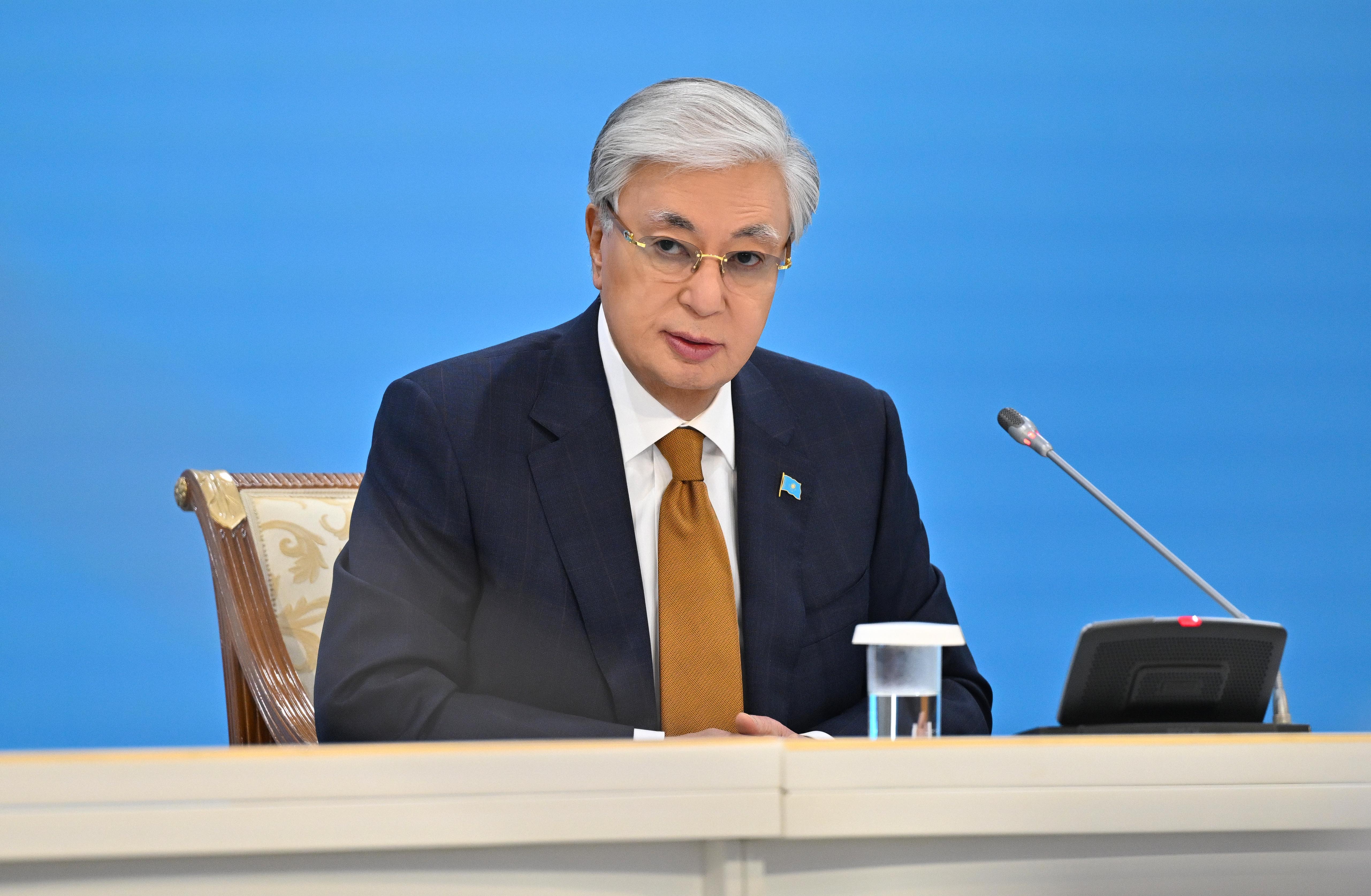
Kassym-Jomart Tokayev believes that transition to a new technological paradigm demands an objective and unbiased assessment of the current situation.
"The concept of the digital economy is still in the process of being defined, and existing methodology is fragmented. When the targeted five-percent GDP growth is reported, we should distinguish between growth driven by the real sector and gains resulting from genuine innovation. General indicators often create an illusion of efficiency, making it difficult to assess the real contribution of digitalization and Artificial Intelligence to economic growth. The Government, in coordination with the Agency for Strategic Planning and Reforms, should submit comprehensive proposals on evaluating the digital economy's impact on GDP," the Head of State instructed.
The President noted that recent data from leading global laboratories indicates a rapidly widening gap between developed and developing economies.
" Artificial Intelligence inherently tends to concentrate capital and technology in the hands of global leaders. This creates a «technological division» that will become permanent without timely and decisive policy intervention. For Kazakhstan, this serves as a wake-up call. We need to thoroughly study the current situation to get a clear observation and understanding of our capacity to make real intellectual solutions. I have to agree with those experts who admit that Kazakhstan is facing a classic «middle-income trap», when traditional sources of growth, such as resources, and cheap labor are close to be exhausted, while new drivers are not yet sufficiently elaborated and launched. To break free from any chance of economic stagnation, we must pivot toward a digital economy by building large-scale digital platforms. Without unified government data, AI will remain ineffective. In this regard, we must transform government services into an invisible yet ultra-efficient «operating system» that eliminates excessive bureaucratic requirements. In the traditional system, the process from request to decision takes days and even weeks. Ideally, this cycle should be reduced to a few seconds, driving a massive increase in capital turnover nationwide," Kassym-Jomart Tokayev said.
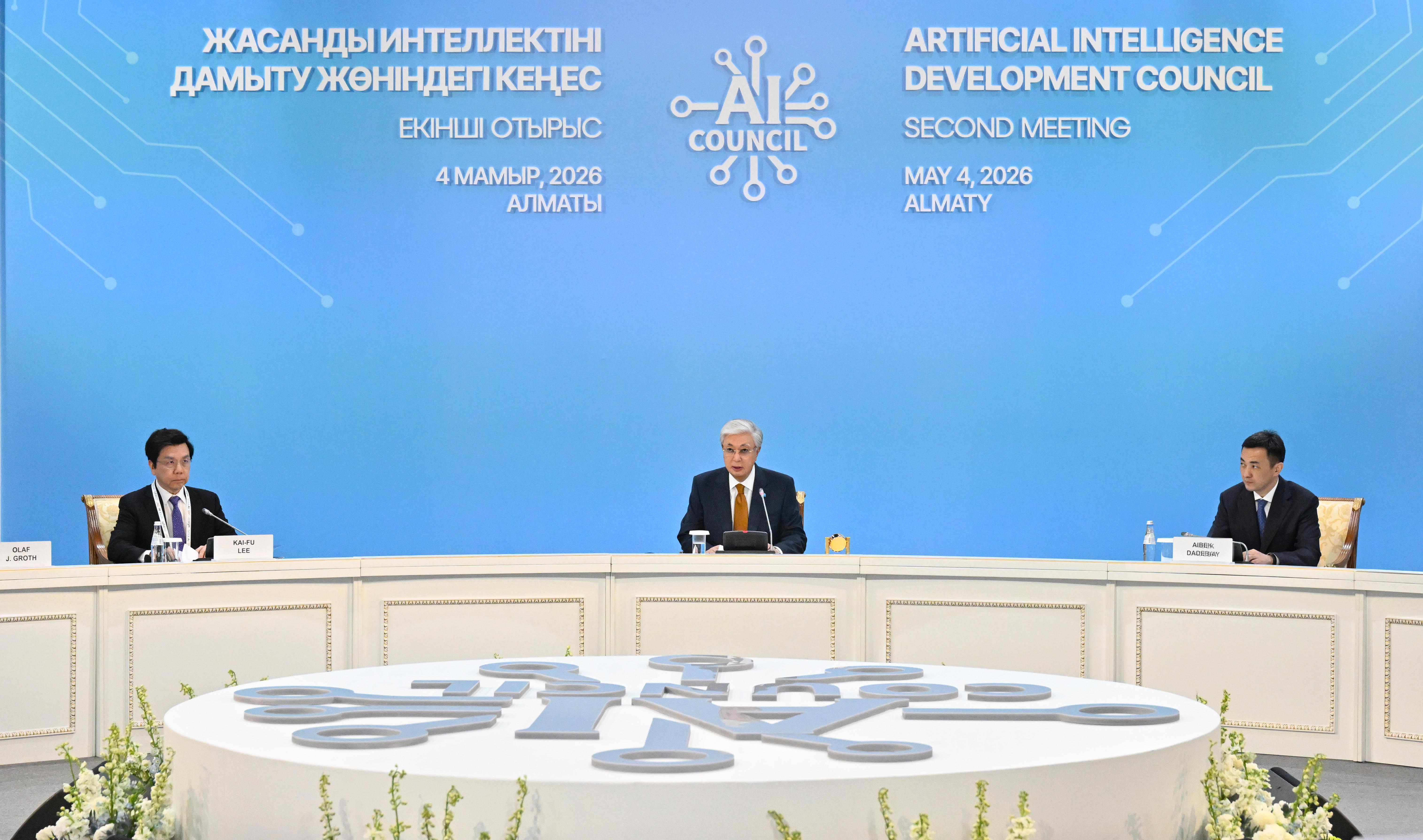
According to the World Bank, the digital economy already accounts for more than 15% of global GDP. The President believes that these figures indicate a fundamental shift where competition has moved from the goods market to the markets of data and standards.
" Thus far, this transformation has only partially reached our country. Kazakhstan recently took a major step in this direction by successfully launching the KEDEN unified customs clearance platform last month. Now, the declaration issuance takes less than a minute, with most documents processed automatically. In parallel, the Smart Cargo national logistics platform is being established, integrating 127 data sources. This will enable expedited border crossing for compliant companies. Radical changes have also occurred in the fiscal sphere. The integrated tax administration system has reduced processing time from an hour to one minute, streamlining services for two million taxpayers. A significant achievement was the launch of the Smart Data Finance platform, which aggregates analytical data from 78 sources, ranging from mobile transfers to air travel. Online budget monitoring enables the prevention of risky payments totaling hundreds of billions of tenge. Based on the National Product Catalog, which contains over 23 million items, a predictive analytical model is being developed for public procurement, over 200 billion tenge annually," the President noted.
Kassym-Jomart Tokayev stated that digitalization of the economy is an imperative of our time. For example, the United Arab Emirates is transitioning to a totally cashless economy. China provides a compelling example, processing trillions of dollars in transactions annually through its digital platforms.
"Kazakhstan has also achieved a positive result: the share of cashless payments now exceeds 80 percent, with our fintech companies, that are present here today, showing impressive competencies. The wide use of the Digital Tenge is a real game changer, making budget spending transparent and reducing transaction fees. This should help Kazakhstan attract more global capital and grow as a leading financial hub for investment. In 2025 our country figured out a legal framework covering digital financial assets and cryptocurrencies. Opportunities are opening up for the tokenization of real estate, gold, stakes in large industrial enterprises, and other tangible assets. The Government and the National Bank must align their strategies for digital asset development to make Kazakhstan a crypto-hub. It’s a very urgent task. Time is getting over," the Head of State said.
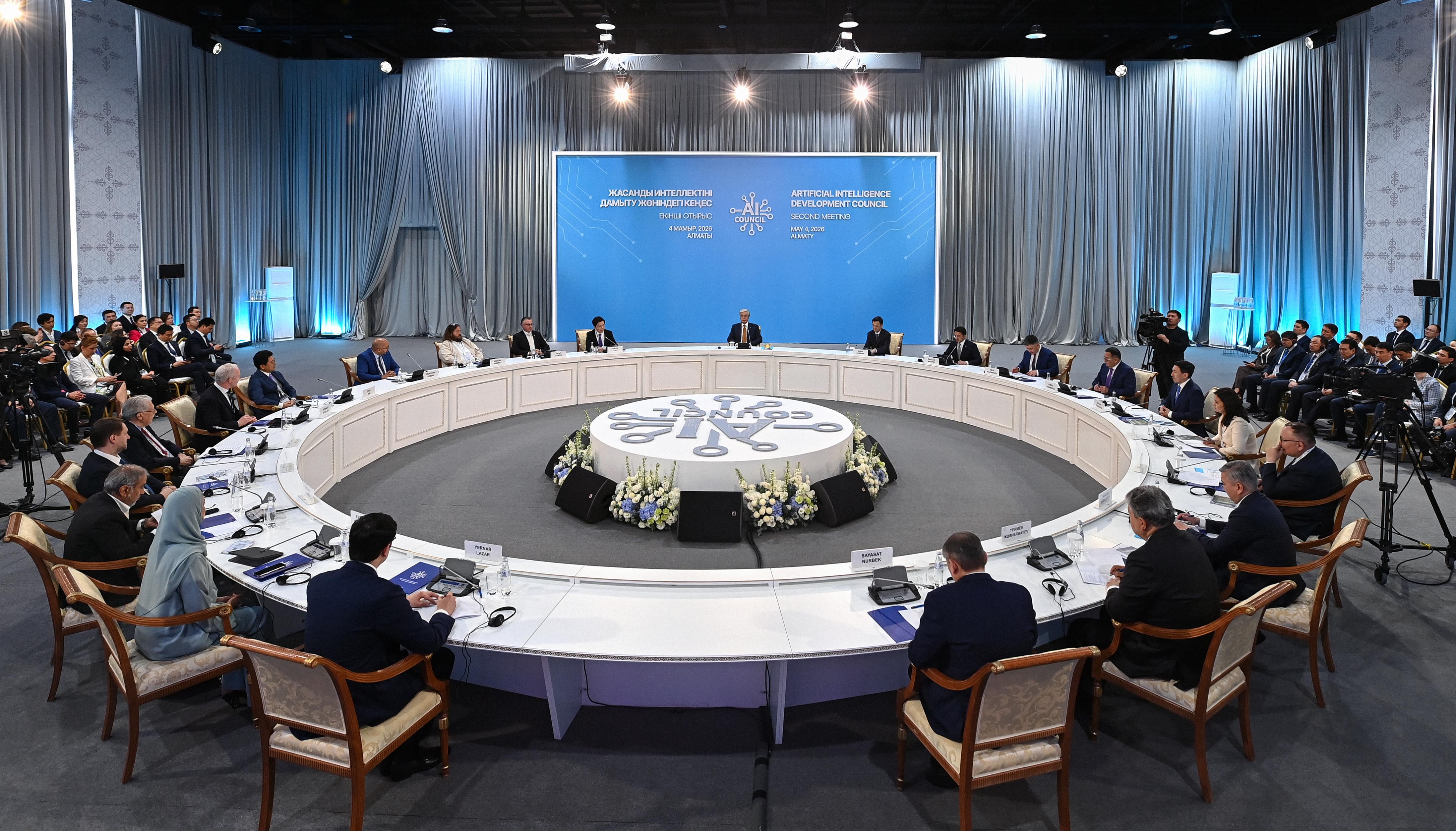
The President emphasized the importance of ensuring the transition to a «real-time economy» because in the traditional system, the state is perpetually «catching up».
"For example, bureaucracy and endless approvals reduce funding efficiency by up to 30 percent. Inspections are conducted based on the results of the tax period, when budget allocations have already been spent. However, a platform approach, empowered by Artificial Intelligence, will enable to make a positive shift. In particular, continuous predictive monitoring will help us to detect very early signs of deviations or suspicious transactions. At the same time, I want to be clear that relying exclusively on state resources is a strategic miscalculation. The task is to create an institutional environment where private capital admits platform solutions as the primary instrument of its competitiveness. The Government must submit specific proposals to stimulate business participation," Kassym-Jomart Tokayev instructed.
The Head of State reminded about the significance of measurable and clear indicators for the effective digitalization of the economy.
"We cannot manage effectively what we cannot measure or cannot see clearly. Therefore, the Government should finally implement a baseline accounting system across all state agencies. Resistance and delays are absolutly unacceptable. We need a comprehensive overview of the actual returns of digitalization and state-led projects. Under the «Digital Qazaqstan» strategy, the Government has selected so-called «icebreaker projects». Each must undergo rigorous expertise regarding its direct economic effect. Personal responsibility for results is mandatory in every sector. We face a clear-cut choice: we either build an effective digital economy, or remain on the sidelines of global progress. In other words: «To be or not to be»," the President remarked.
Kassym-Jomart Tokayev believes that demographic growth alone no longer guarantees competitiveness unless it is underpinned by intellectual capital and enhanced labor productivity.
" The opening of the first Central Asian AI University this year will be a major milestone stemming directly from the previous decisions of the Council meeting. We are strengthening both fundamental and applied science by partnering with leading foreign universities. A pool of projects is being prepared for rapid scaling. The Government must create a «science-to-market» chain in the shortest possible timeframe. We need to fast-track the commercialization of applied research and develop a robust venture ecosystem with tax incentives and co-investment tools. Without this powerful lever, our scientific potential will remain purely academic," the Head of State said.
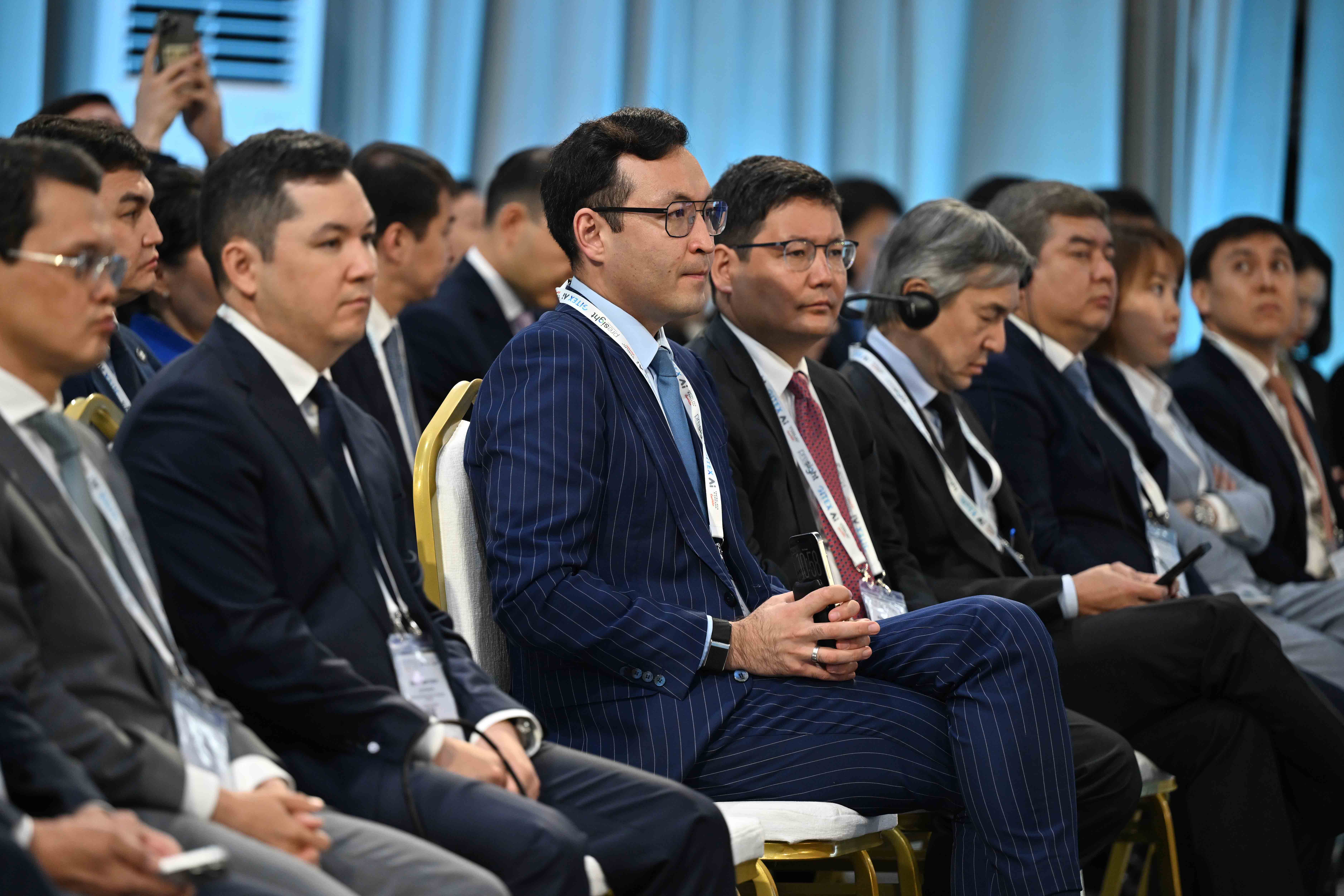
The President named infrastructure as another pillar of the digital economy. It is the foundation of technological sovereignty – just as vital as energy and logistics.
"In the modern world, control over computing power, data, and communication channels determines the level of national independence. Kazakhstan should prioritize building its own infrastructure base for Artificial Intelligence and cloud services. Our key project is the «Data Center Valley». This large-scale cluster will become a new driver of our economic growth, giving both business and science the computing power, they need. Reliable digital infrastructure must become a strategic asset of our country. The Government needs to comprehensively work out major details of the «Data Center Valley» project in accordance with international standards and the requirements of global players. And more significantly, this hugely important plan must be carried out in complains with real needs of our country while absorbing modern advanced tendencies. Data centers are not fashionable digital exhibitions," Kassym-Jomart Tokayev emphasized.
The President particularly emphasized that any infrastructure will remain vulnerable without the fundamental provision of cybersecurity.
"It is necessary to implement cybersecurity standards directly into the architecture of all national technological solutions. Now, the protection of personal data is safeguarded in our Constitution. This work must be built on the triadic principle of confidentiality, integrity, and availability. Therefore, the security of state digital services remain our primary requirement. The government must act as a reliable architect of this system, ensuring a balance between openness, global integration, and the protection of national interests. In addition, I would like to note that digital security issues have encompassed the traditional boundaries of virtual space. Events in the Middle East have clearly demonstrated the fragility of the world order. As long as the digital infrastructure of leading world economies is becoming vulnerable, international business acutely requires security. If we put a task of making Kazakhstan a «digital hub», we should be ready to provide the international technological community with what is now in short supply: the inviolability of institutions, predictability of jurisdiction, and reliable digital infrastructure," the President stressed.
As Kassym-Jomart Tokayev underlined, Kazakhstan is creating an ideal environment to attract global experts and investors.
"To strengthen our position as a leading regional hub, we are fully digitizing and streamlining immigration. A pivotal effort here is the recent introduction of the «Golden Visa», providing long-term residency and a set of preferences, including major tax exemptions and breaks as well as less red tape. «Golden Visa» holders and their families have full access to high-quality education and healthcare services on the same terms with our citizens," Kassym-Jomart Tokayev noted.
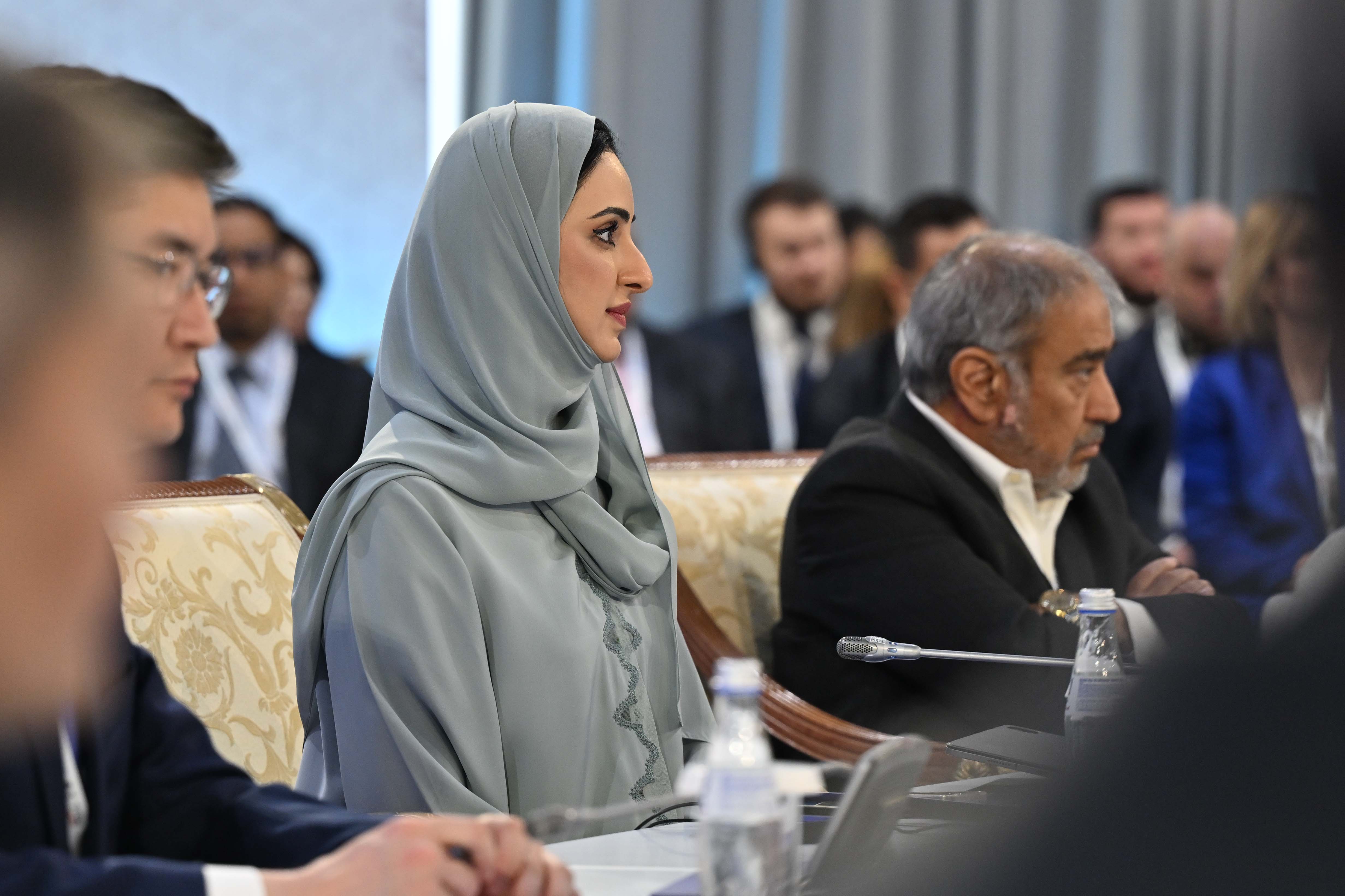
For the successful application of Artificial Intelligence, the implementation of a data-centric model is required.
" Structured data is the economic basis for the development of AI, transforming the potential of technology into real productivity. And here, it is precisely language that acts as the fundamental layer that binds the entire system together. The full integration of the Kazakh language into modern digital systems is essential for effective data structuring and innovation. Without shared, machine-readable data, even the most complex algorithms will fail to deliver real economic value. A vast array of invaluable information still remains outside digital circulation, locked in paper archives. We are losing both time and opportunities. The Government must transform all archival and current data into high-quality datasets suitable for training AI models in the shortest time. Furthermore, the Agency for Strategic Planning and Reforms should approve a national data quality standard to ensure accessibility for the economy, science, and business. In general, for a complete transition to a data-centric management model, the Government is required to review the entire regulatory framework and architecture of state programs. The key performance indicator is the standardization and integration of data into a single network of «data lakes». If this transition does not occur soon, our investments in innovative infrastructure will, for the most part, go into the sand without any significant return.," the Head of State declared.
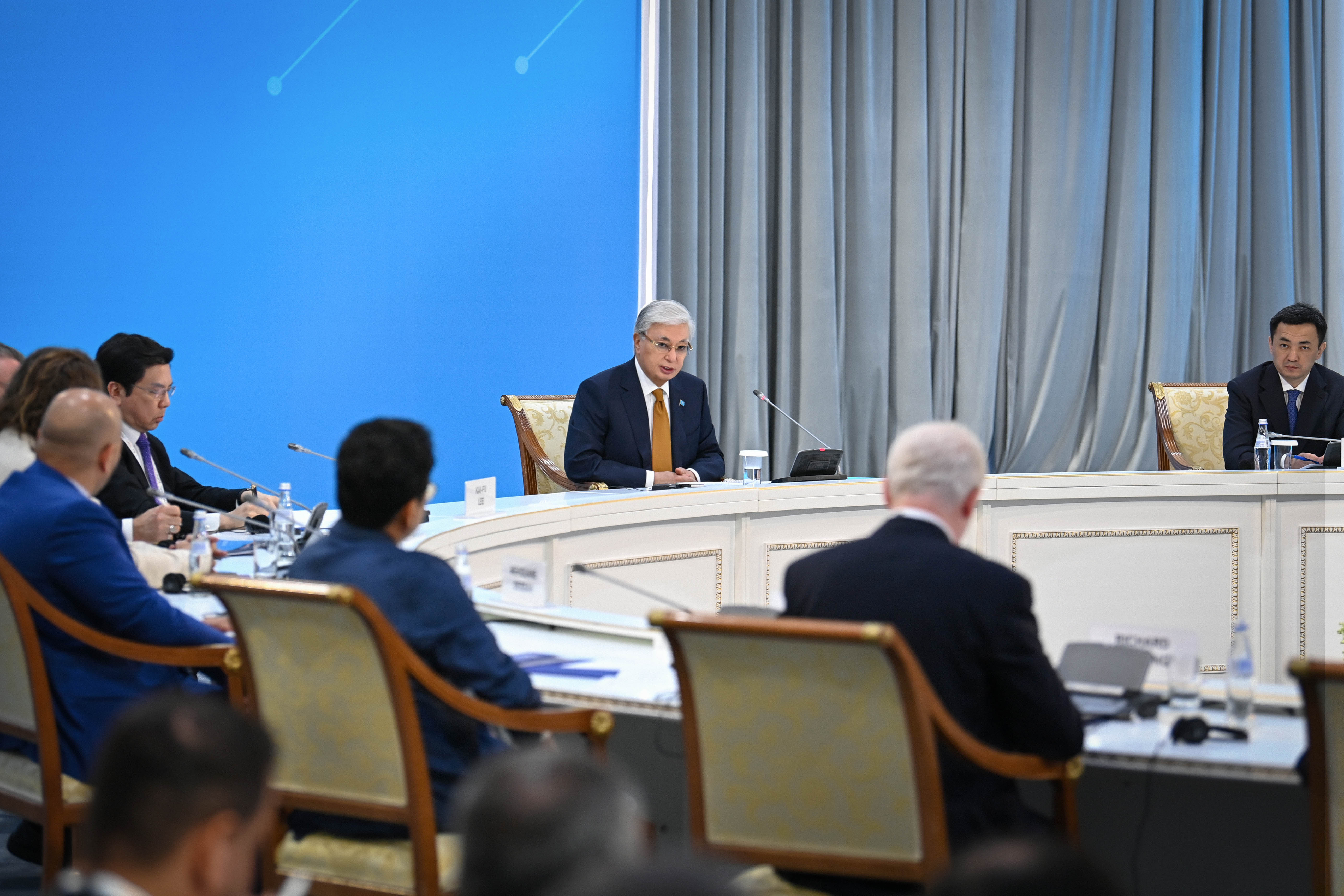
Addressing the participants of the Council, Kassym-Jomart Tokayev emphasized that strategic success in AI is not about the size of the models, but their integration into the real economy.
"We are seeing a paradigm shift, where real time Artificial Intelligence is the new engine of growth. To achieve this, it is required to build a unified system of data, processes, and people. Only then we can move from pilot solutions to the large-scale implementation of Artificial Intelligence in all spheres of life. In this global technological race, no country can fully realize the potential of Artificial Intelligence alone. The Artificial Intelligence Development Council is an effective platform for developing coordinated approaches and exchanging best practices, primarily in the sphere of the real economy and digital platforms.In this regard, I believe it is necessary that the next meeting of the Council focus on implementing Artificial Intelligence in the industrial sector. Since industry is the basis for high added value and the primary testing ground for new technology. I propose to focus on mining and metallurgical complex, energy, the agro-industrial sector, and logistics. Our targets are clear: boost productivity, cut costs, and sharpen management efficiency. By developing industrial data, digital twins, as well as the broad automation, we move from discussion to the practical implementation of our strategic goals," the President of Kazakhstan noted.
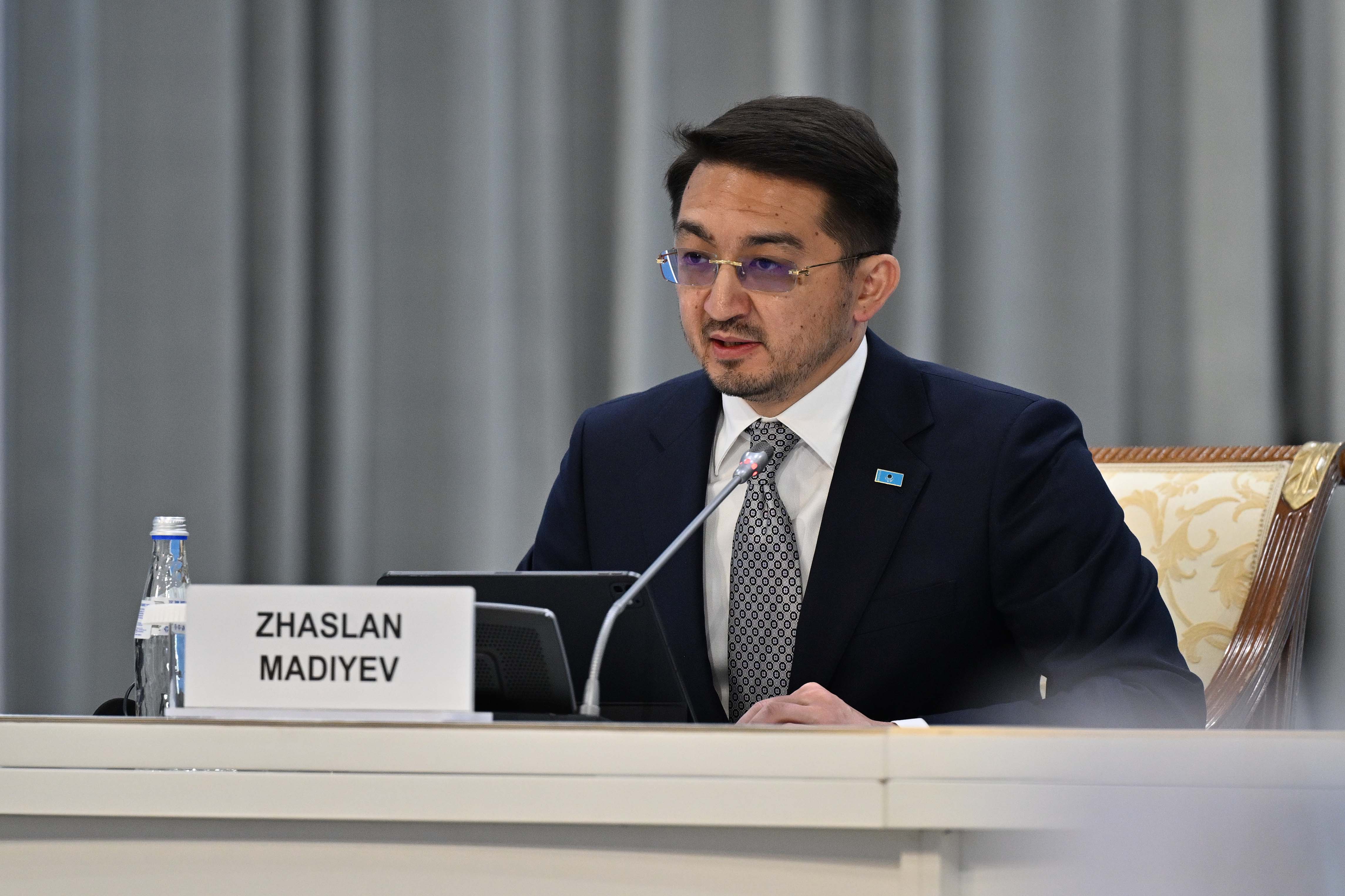
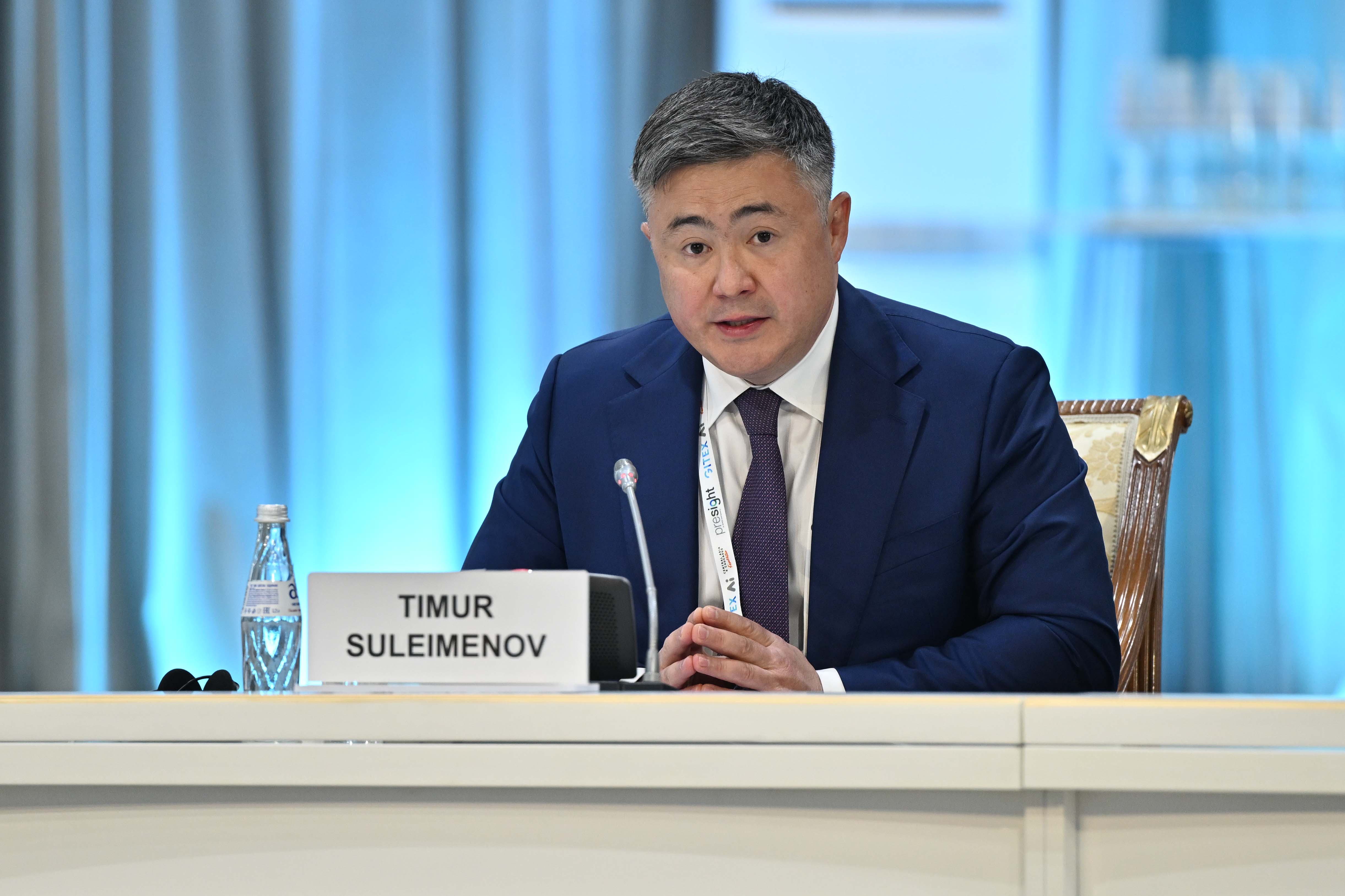
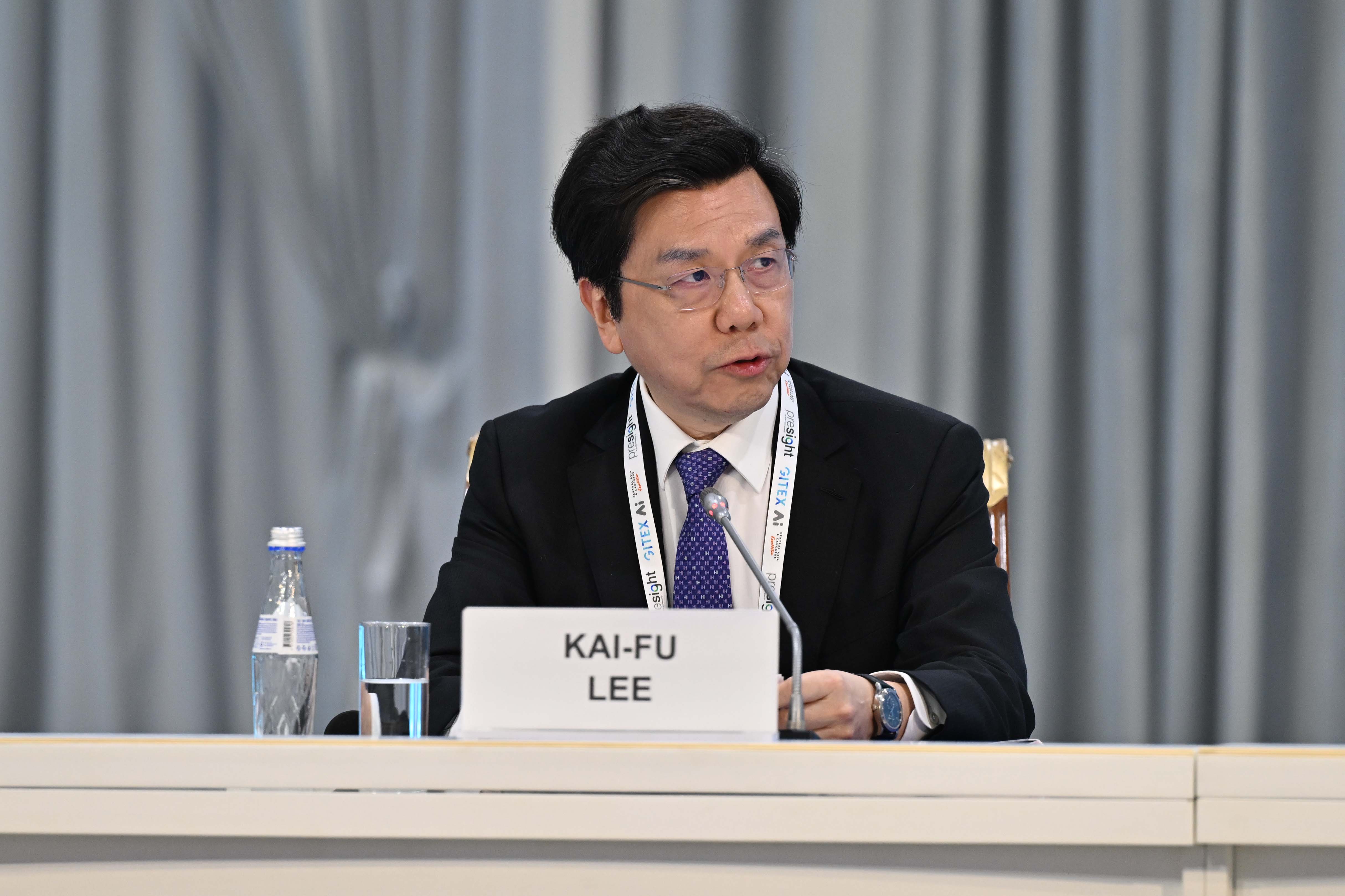
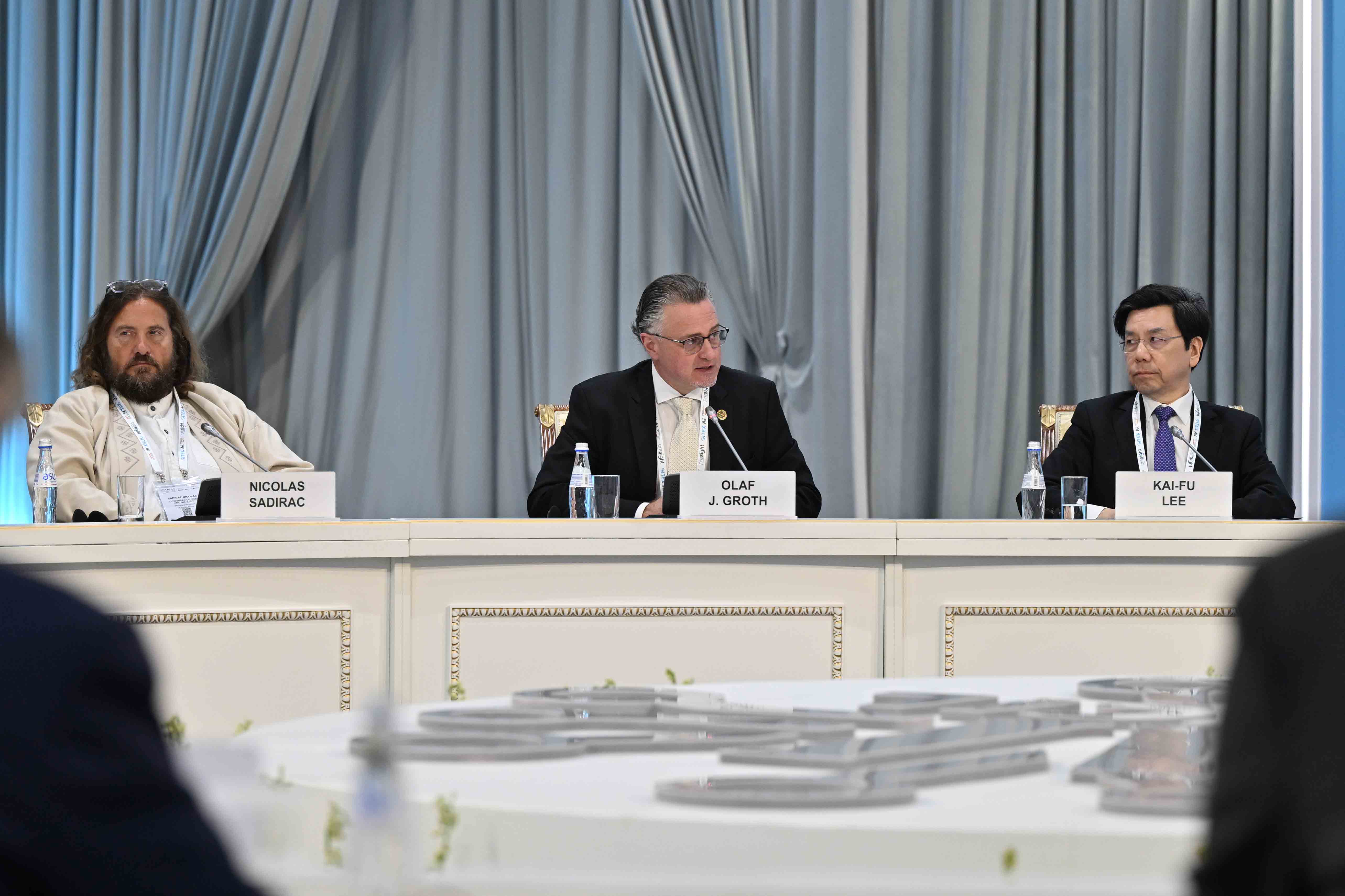
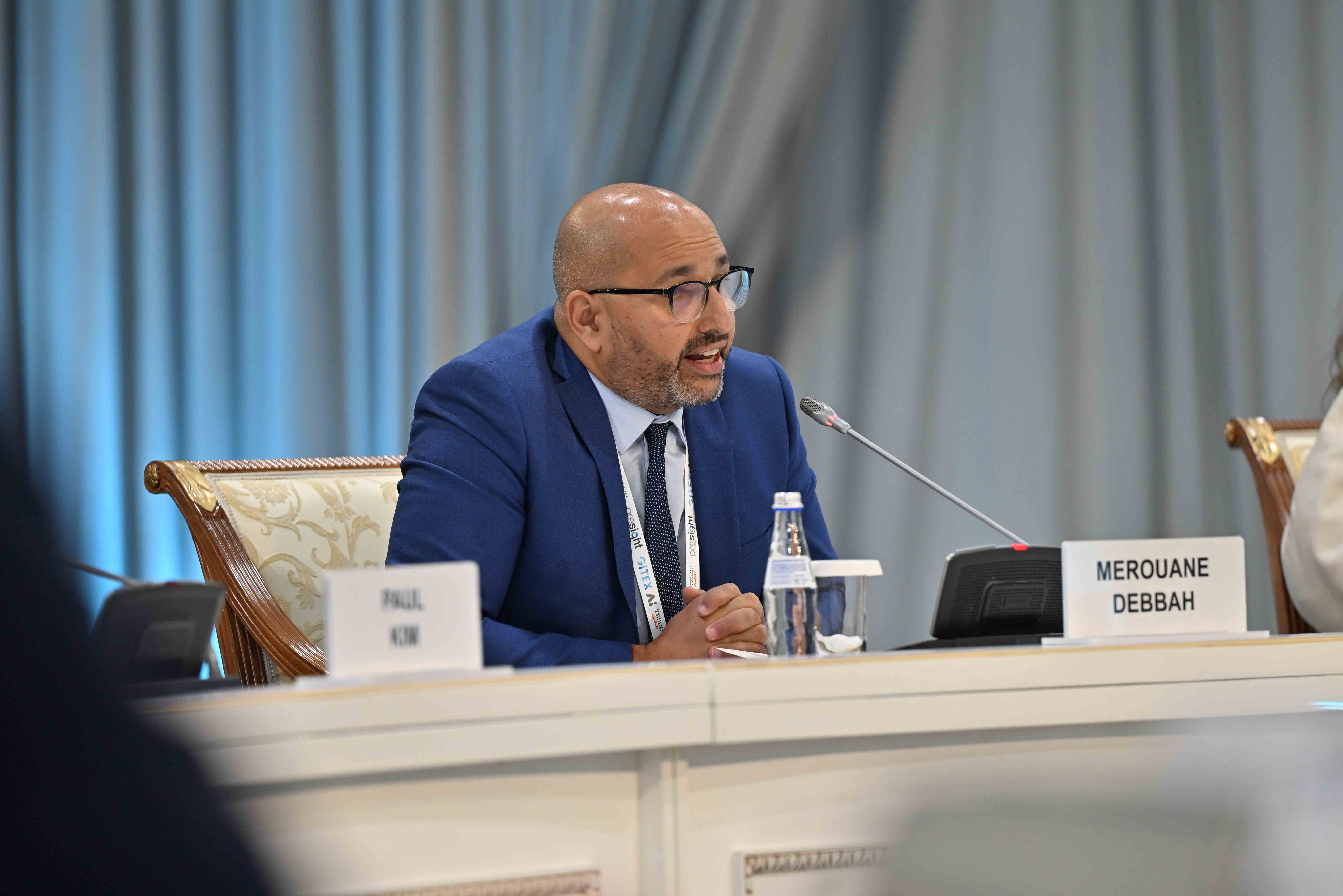
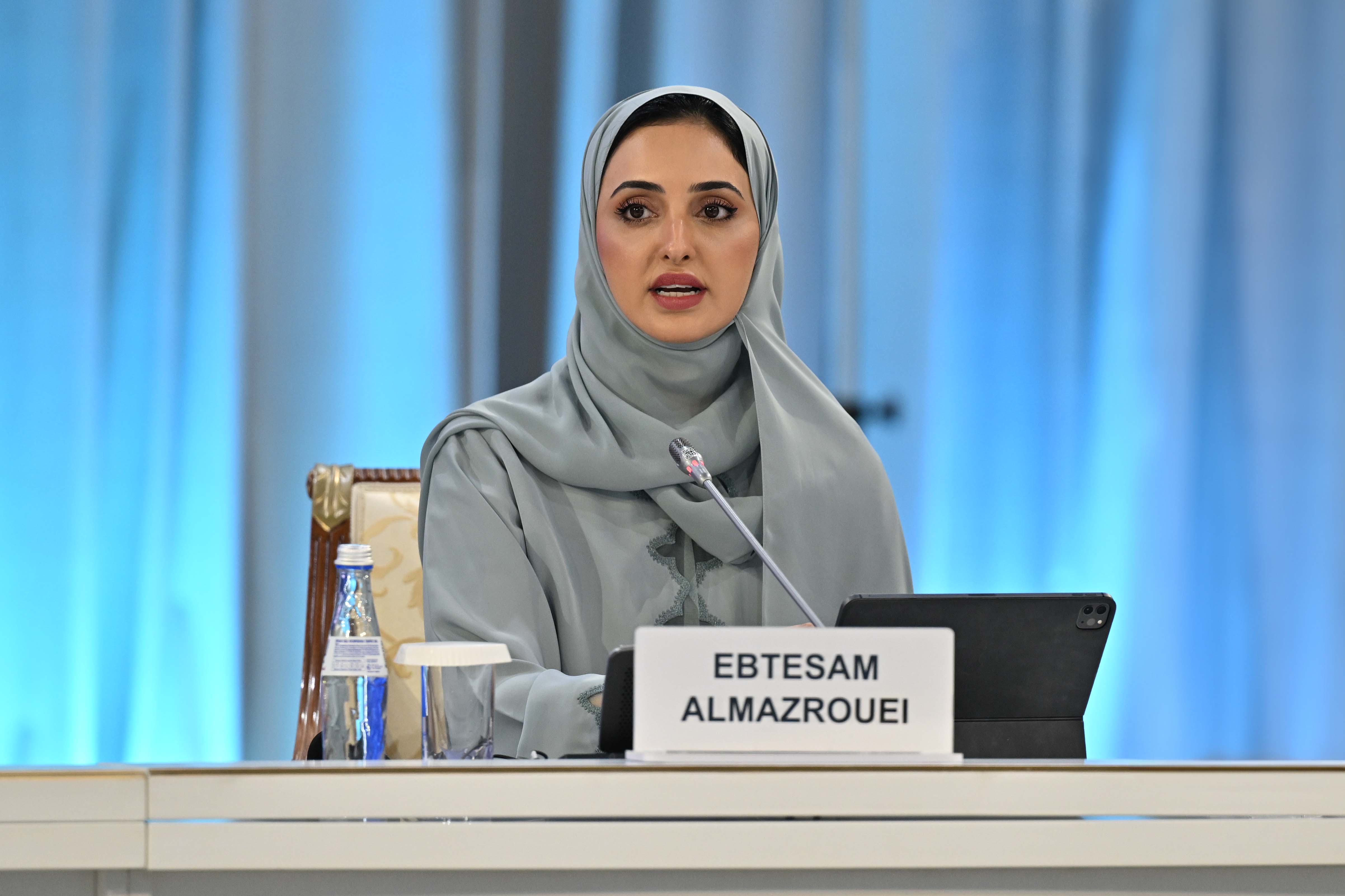
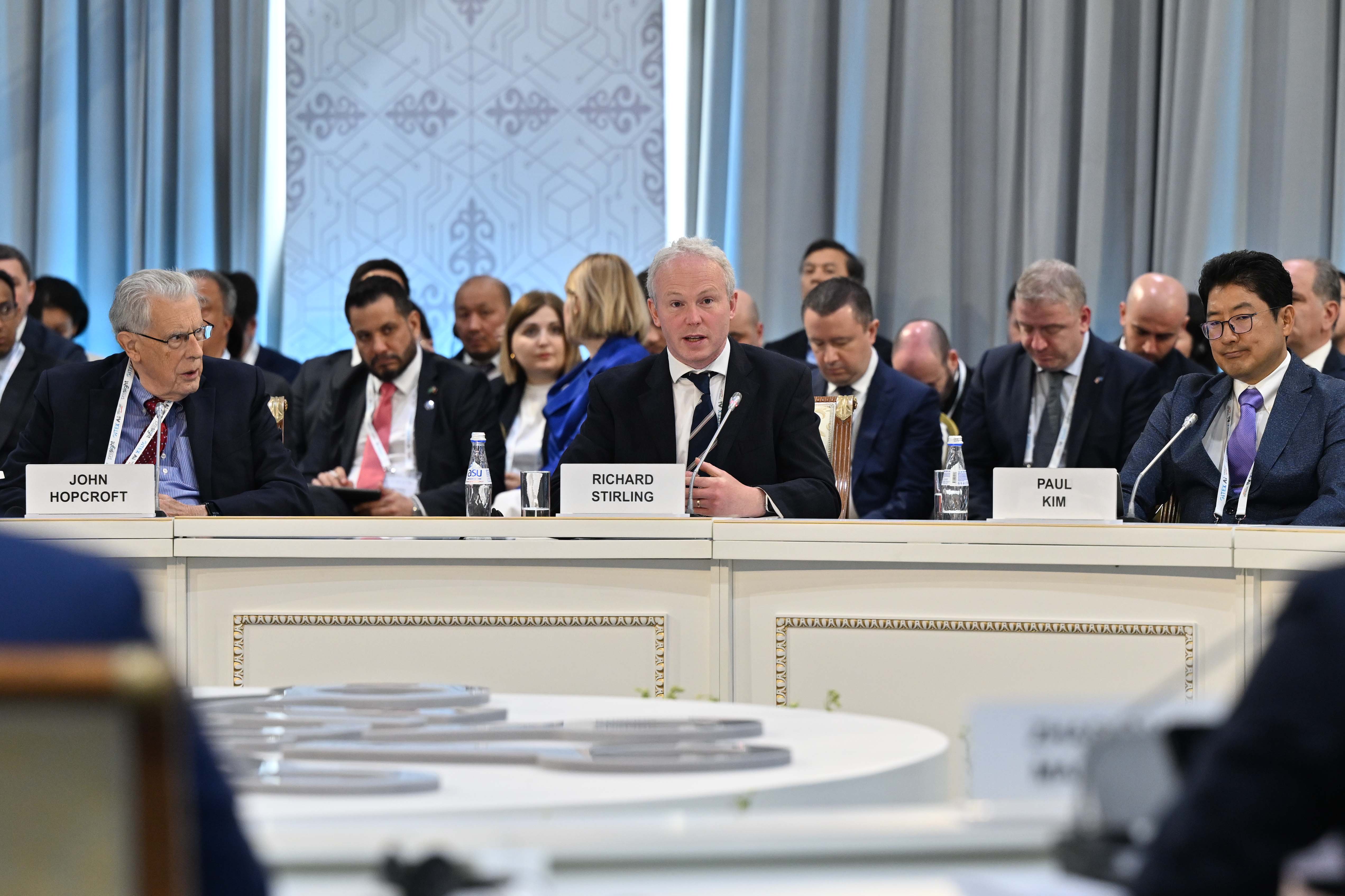
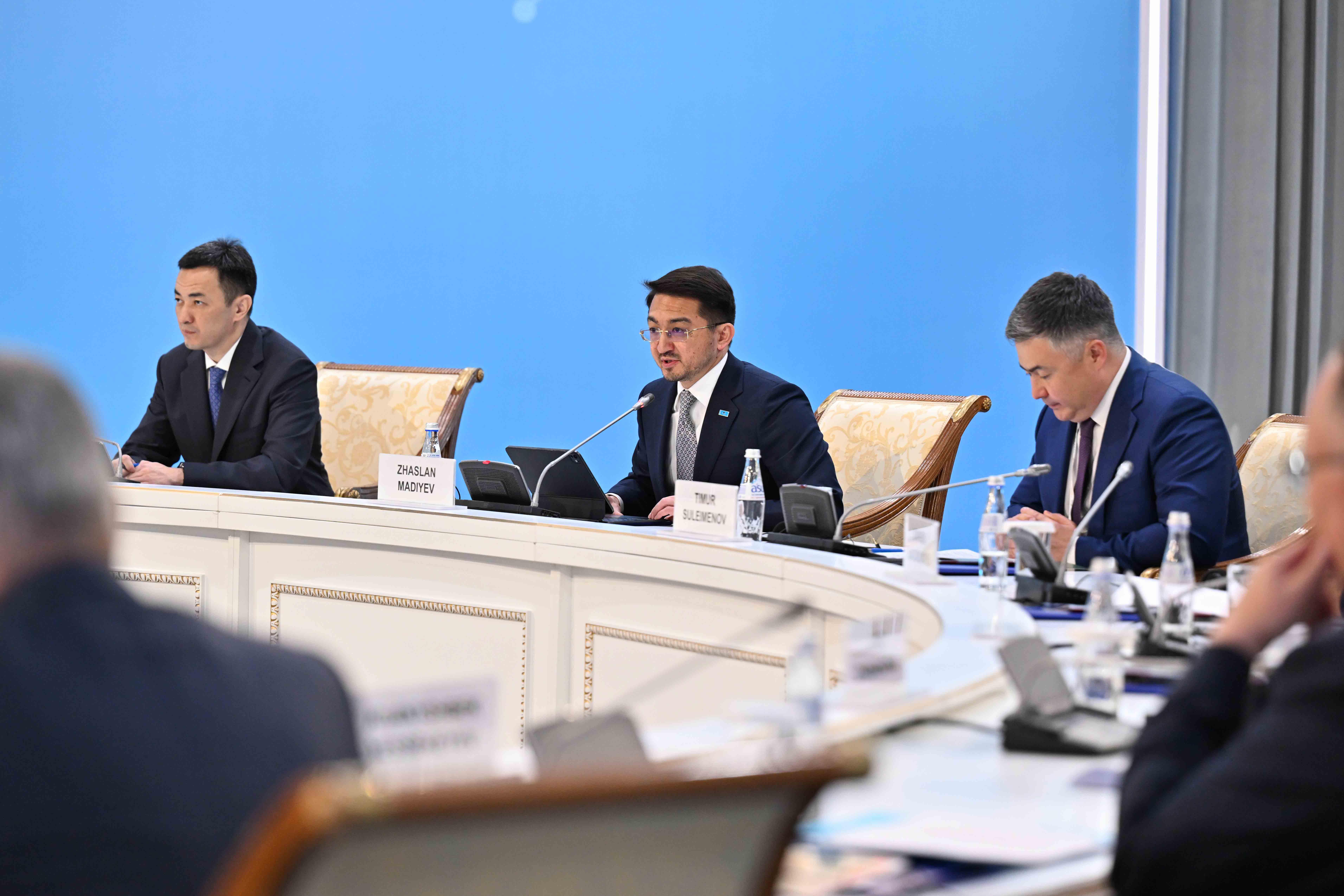
During the Council meeting, keynote speeches were also delivered by Deputy Prime Minister – Minister of Artificial Intelligence Jaslan Madiyev, Governor of the National Bank Timur Suleimenov, CEO of Sinovation Ventures and 01.ai Kai-Fu Lee, CEO of Cambrian Futures Olaf J. Groth, CEO of "Samruk-Kazyna" JSC Nurlan Zhakupov, Professor at Khalifa University of Science and Technology in Abu Dhabi Mérouane Debbah, Turing Award Laureate John E Hopcroft, Chairperson of the United Nations AI for Good Impact Initiative Ebtesam Almazrouei, and CEO of Oxford Insights Richard Stirling.